Could You Feed Your Family on These 1940s Rations?
During the Second World War, rationing reshaped every British household. From butter to bacon, tea to sweets, families learned to stretch tiny weekly allowances into meals that were filling, frugal, and often surprisingly inventive.
But could a modern family cope with the same restrictions? Here’s a look at what a week’s rations really looked like — and how families made them work.
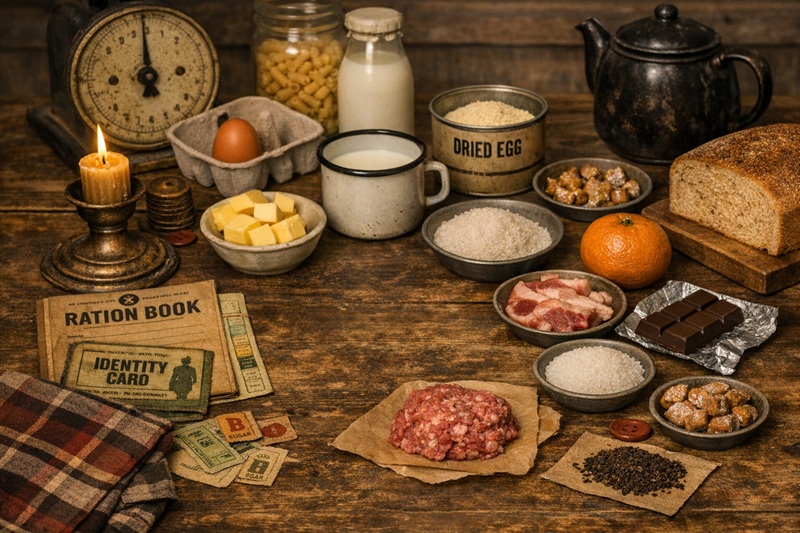
What a Week’s Rations Looked Like in the 1940s
A typical adult’s weekly allowance included:
- Bacon or ham: 4 oz
- Butter: 2 oz
- Cheese: 2 oz
- Margarine: 4 oz
- Cooking fat: 2 oz
- Sugar: 8 oz
- Tea: 2 oz
- Sweets: 3 oz (per month)
- Milk: 3 pints
- Eggs: 1 fresh egg (plus powdered egg occasionally)
- Meat: Around 1 shilling and 2 pence worth — roughly one small cut
Children received slightly more milk and occasional extras, but the overall picture was the same: small portions, strict limits, and no waste.
Could a Modern Family Cope?
Short answer: not easily.
Today’s households are used to:
- Larger portions
- Daily snacks
- Convenience foods
- Unlimited access to meat, dairy, and sugar
A 1940s ration book would feel incredibly restrictive. But wartime families made it work through creativity, planning, and a lot of make‑do‑and‑mend thinking.
How Families Stretched Their Rations
1. Bulked out meals
Potatoes, oats, lentils, and root vegetables were essential. They made stews, pies, and soups go further.
2. Substituted ingredients
- Carrot instead of sugar
- Dried egg instead of fresh
- Dripping instead of butter
3. Saved every scrap
Leftovers became:
- Bubble and squeak
- Broth
- Puddings
- Sandwich fillings
4. Grew their own food
The “Dig for Victory” campaign encouraged families to grow:
- Potatoes
- Cabbage
- Carrots
- Onions
- Soft fruits
5. Used ration‑friendly recipes
Wartime cookbooks taught families how to create:
- Eggless cakes
- Meatless pies
- Vegetable puddings
- Economical stews
What Did Christmas Look Like on Rations?
Even during wartime, families found ways to make Christmas feel special.
Christmas treats were carefully saved
- Sugar coupons were saved for months
- Dried fruit was precious
- A single orange was a luxury
- Homemade puddings replaced shop‑bought ones
Gifts were practical
- Knitted socks
- Homemade toys
- Books
- Utility clothing
Decorations were handmade
Paper chains, fabric scraps, and saved ribbons brought colour to the home.
For more wartime festive nostalgia, explore 1940s Letter to Santa.
Recreate a 1940s Kitchen at Home
Bring a touch of wartime simplicity into your own cooking with:
- Wartime recipe books — ideal for ration‑friendly baking
- Vintage‑style kitchen scales
- Enamel mixing bowls and mugs
- Make‑do‑and‑mend craft kits
- Retro food tins and storage jars
🎄 Christmas Countdown 🎄
The magic of Christmas is just around the corner!



Related Reads

Tesco Christmas 2026 Food Range: The Full Festive Lineup Revealed
STOP! See what your going to munch on this year!...
Read More →
Morrisons Christmas 2026 Food Range Is Here – And We Need A Bigger Table
Take a look at ALL the trimmings!...
Read More →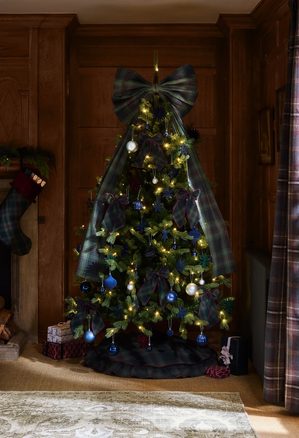
Next Christmas 2026: The Ultimate Guide to Decorations, Homeware, Trees & Gifts
Thing bows, matching pyjamas and more.
Read More →
Christmas Bows Trend: Why Bows Are Taking Over Christmas 2026
See why this is one of the biggest trends for Christmas!...
Read More →