How to Dry Clothes Indoors in Winter Without Damp
Learn how to dry clothes indoors in winter without damp or mould, plus tips for cosy, clutter-free homes after Christmas.

There comes a point every winter when you realise you’re no longer living in a house — you’re living inside a laundry display at Dunelm.
Shirts on radiators, jumpers on the bannister, and that faithful airer taking pride of place where the Christmas tree stood just a few months ago.
The trouble is, drying clothes indoors in winter isn’t just a bit of an eyesore. Done wrong, it can leave your windows streaming, your walls feeling clammy, and your freshly washed laundry smelling like it’s had a night out in a hedge.
And with energy bills still high, many of us are avoiding the tumble dryer altogether, especially after a busy festive season of extra bedding, thick jumpers and the inevitable tablecloth wash that comes with hosting.
The good news? You can dry clothes indoors without turning your home into a Victorian laundry room — and without inviting damp and mould to move in unannounced.
7 Ideas on How to Dry Clothes Indoors in Winter (Without the Damp)
1. Spin It Like You Mean It
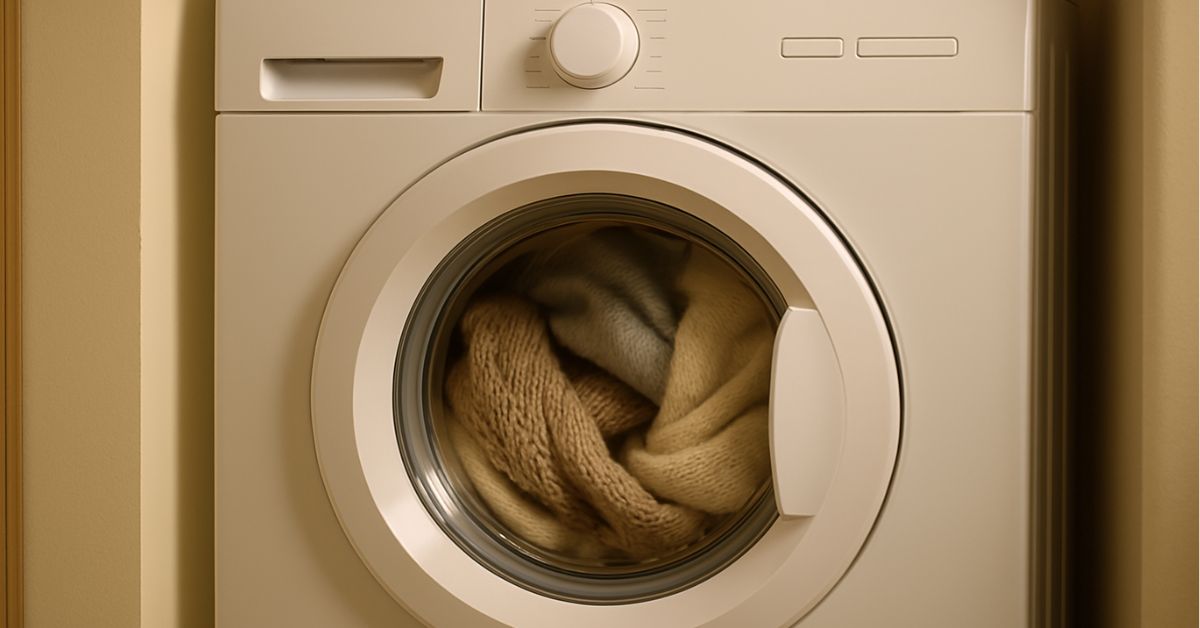
Before anything goes near a radiator, use the highest spin cycle your fabrics allow (usually 1200–1400rpm for everyday items). The less water in the fabric, the less moisture ends up in the air.
2. Keep It Contained
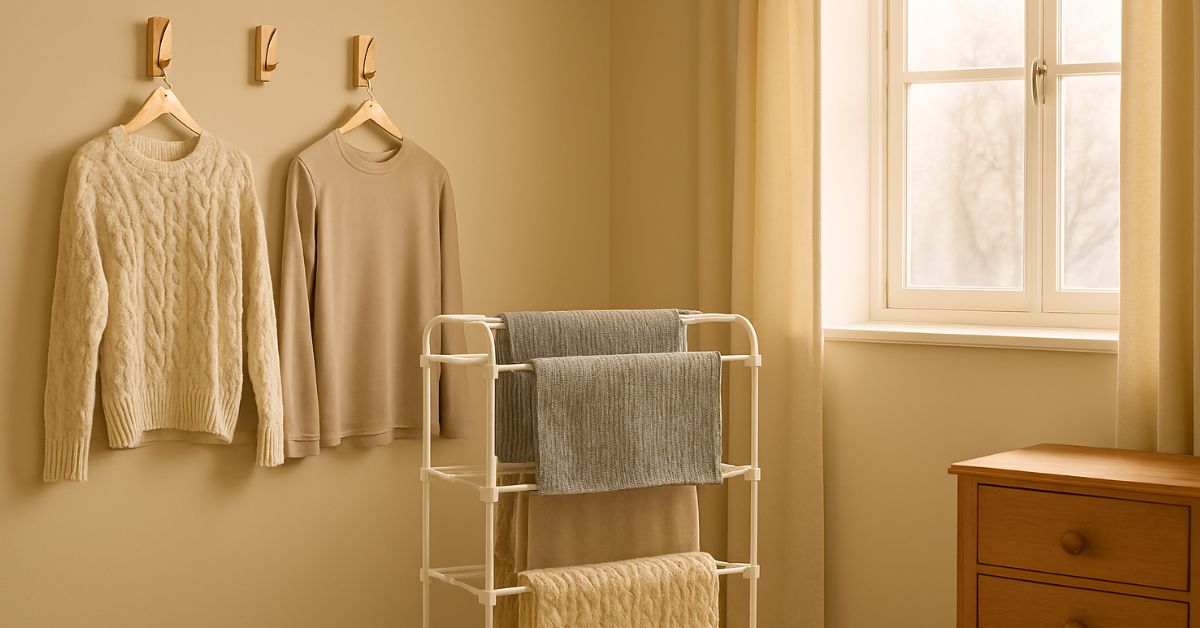
Dry clothes in one room, not scattered throughout the house. A spare bedroom or box room is ideal. Shut the door to stop moisture from spreading.
3. Ventilate — Even When It’s Cold

It sounds backwards, but crack a window slightly while drying. Even 10–15 minutes of airflow helps moisture escape. If it’s bitterly cold, ventilate in short bursts rather than all day.
4. Use a Heated Airer (They’re Surprisingly Efficient)
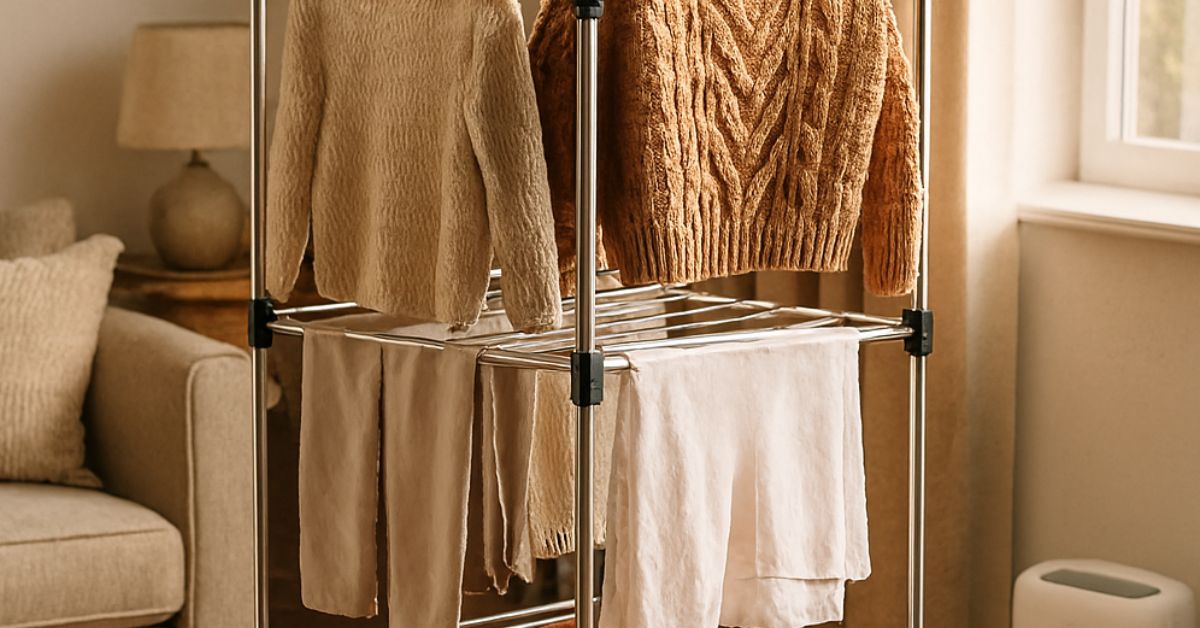
A good heated airer costs pennies per hour compared to a tumble dryer and dries clothes far more evenly than a radiator.
Well-reviewed, cost-effective options include:
- Lakeland Dry: Soon 3-Tier Heated Airer – very popular, folds flat, good for family loads.
- Argos Home 3 Tier Heated Airer – budget-friendly and reliable.
- Minky 3 Tier Heated Airer – strong reviews for durability.
Pair one with a fitted cover (many brands sell them), and drying time reduces noticeably because the warm air is trapped around the clothes.
5. Leave Space Between Items
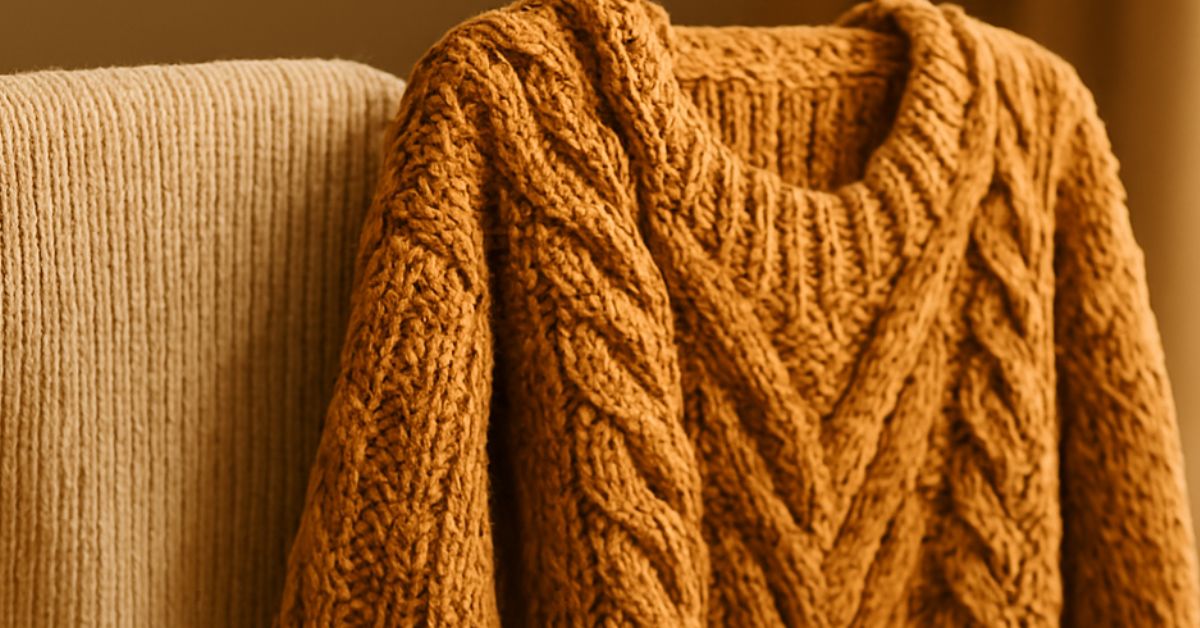
Don’t drape everything over one another. Air needs to circulate. Thick jumpers and bedding should be fully spread out, not folded in half, as it traps in moisture and leaves that sour smell!
6. Consider a Small Dehumidifier
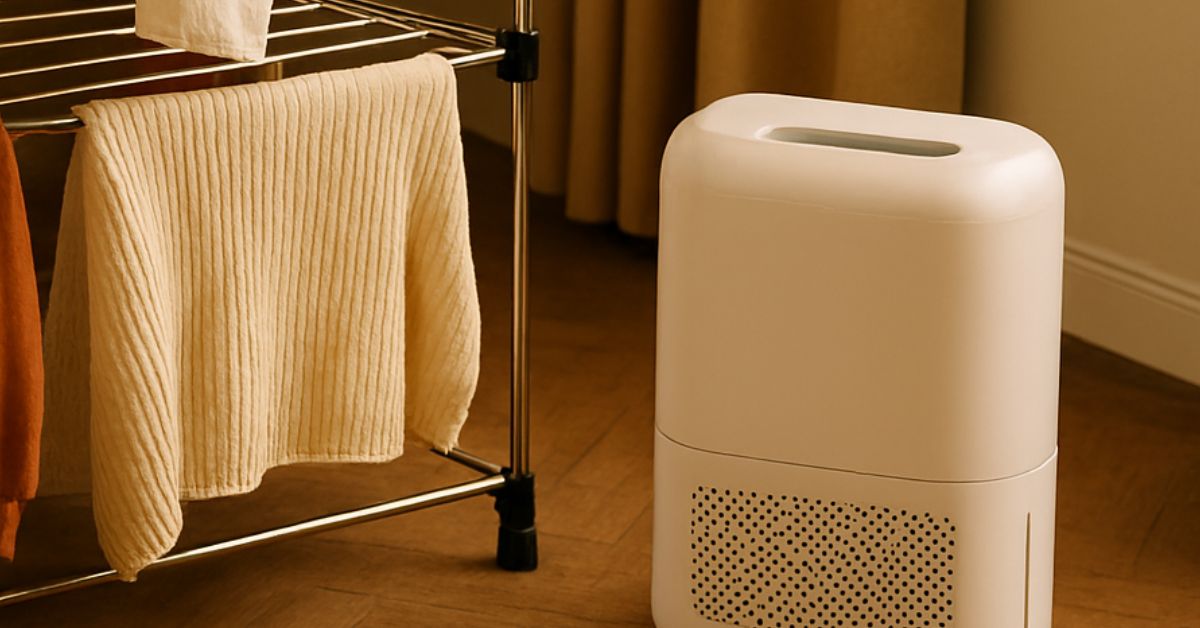
If condensation is already an issue, a compact dehumidifier can make a big difference. It pulls moisture from the air and helps clothes dry faster.
Reliable options with strong UK reviews include:
- Meaco MeacoDry ABC 10L – very energy efficient for its size.
- Pro Breeze 12L Dehumidifier – affordable and effective for smaller homes.
They cost far less to run than people expect and can prevent mould long-term.
7. Avoid the Radiator Trap
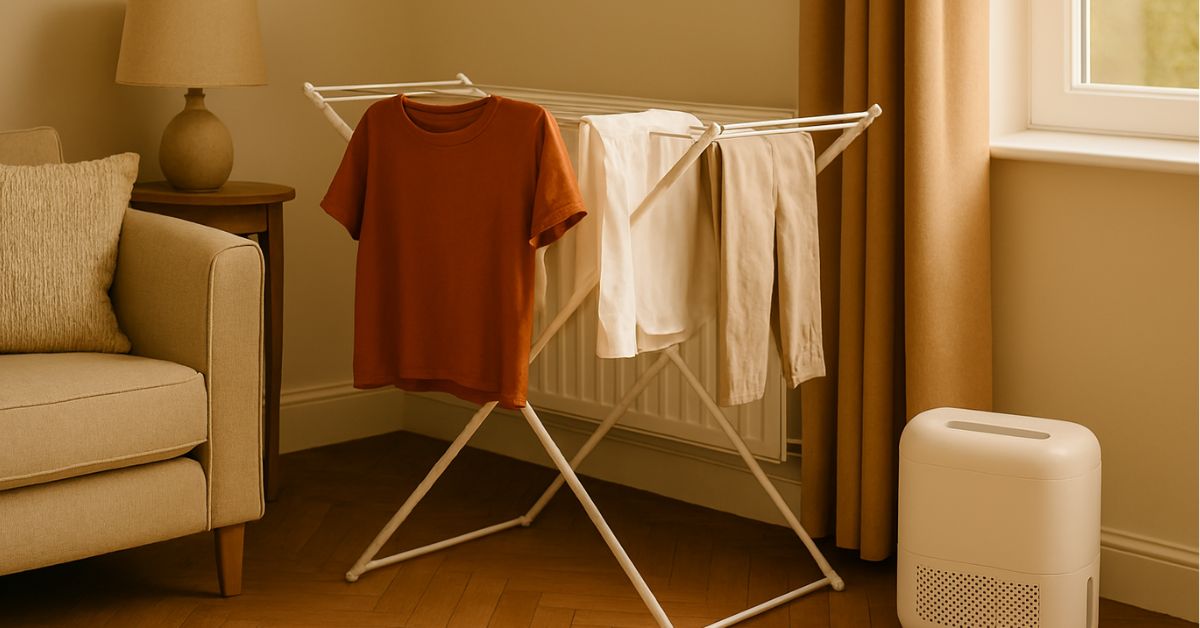
Draping heavy, wet clothes directly over radiators blocks heat from circulating and pushes moisture straight into the room. If you do use a radiator, keep items loosely placed and ventilate properly.
rying clothes indoors in winter doesn’t have to be a battle of radiators versus mould. With a bit of spin, airflow, spacing and the right equipment, you can keep your laundry fresh and your home cosy — no damp patches or musty smells in sight.
And once your washing woes are under control, it’s a perfect time to tackle the rest of your winter home prep: from cleaning cutlery and that well-used cooker to sprucing up the Christmas tree skirts that were just rammed into boxes and placed away!
Little steps like these mean a warmer, drier, more comfortable home — and a winter you can actually enjoy.
🎄 Christmas Countdown 🎄
The magic of Christmas is just around the corner!



Related Reads

Black Forest Gateau Recipe: Your Gran’s Favourite Pud Is Back for Christmas
Retro classic is back!...
Read More →
Classic FM Christmas Is Here, And Aled Jones Has Thawed Out To Celebrate
Aled has thawed!...
Read More →
Costa Coffee Christmas Menu 2026 Launches with New Ferrero Rocher Latte, Festive Food and Seasonal Treats
We're in for a real treat this Christmas with the new menu.
Read More →
Primark’s Christmas Collection Has Dropped, and It’s Gloriously Kitschmas
It's Kitschmas all the way!...
Read More →